
PVC Flooring Sheet Manufacturer: The Complete Buying Guide
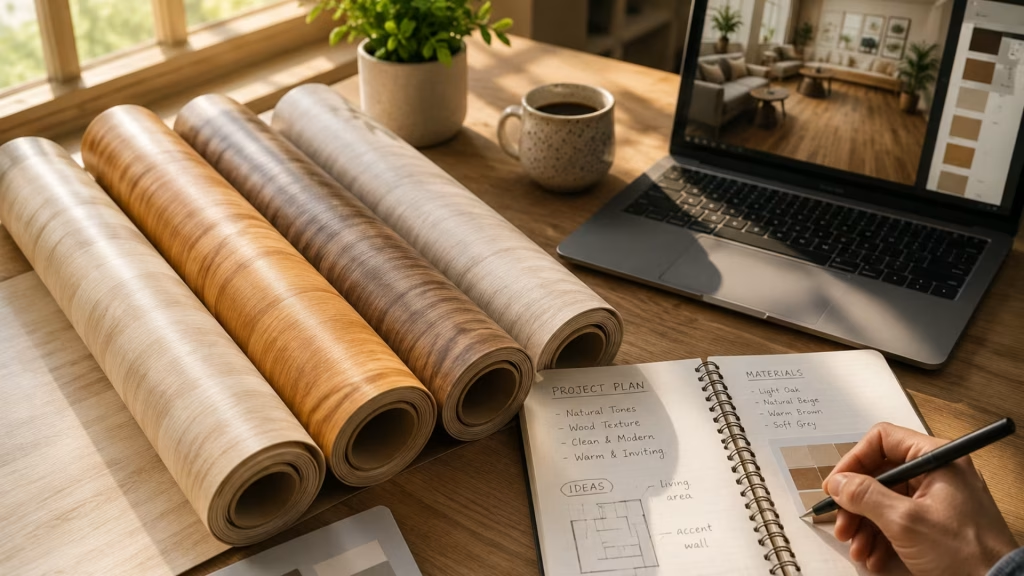
Whether you’re supplying flooring materials for a commercial project, sourcing products for resale, or looking for a reliable manufacturer, choosing the right PVC Flooring Sheet is an important decision. The quality of the flooring affects not only the appearance of a space but also its durability, maintenance costs, and long-term performance.
PVC flooring sheets have become one of the most widely used flooring solutions for commercial, healthcare, educational, hospitality, and industrial environments because they combine durability, water resistance, attractive designs, and cost-effectiveness.
However, not all PVC flooring sheets are manufactured to the same standards. Thickness, wear layer, surface finish, production quality, and raw materials all play a significant role in determining performance.
This guide explains everything dealers, contractors, architects, and project buyers need to know—from how PVC flooring sheets are manufactured to how to choose the right product for different applications.
Quick Answer
PVC Flooring Sheets are resilient floor coverings made from Polyvinyl Chloride (PVC). They are designed to provide durable, waterproof, easy-to-maintain flooring for commercial, industrial, healthcare, educational, and residential environments. They are available in different thicknesses, finishes, colors, and patterns to suit a wide range of projects.
What Is PVC Flooring Sheet?
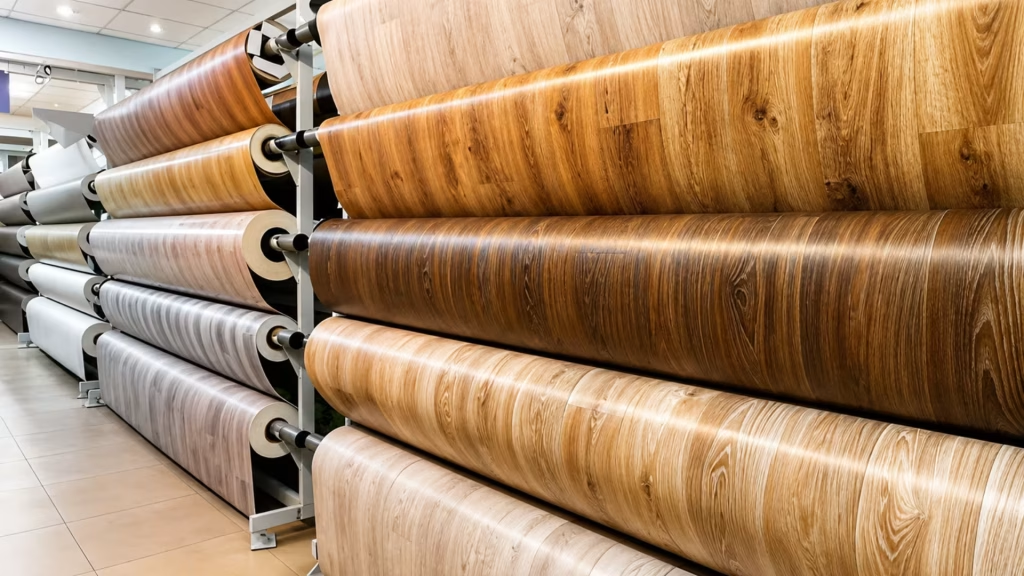
PVC Flooring Sheet is a continuous sheet flooring material manufactured from Polyvinyl Chloride (PVC) combined with stabilizers, plasticizers, fillers, pigments, and protective coatings.
Unlike ceramic tiles or wooden flooring, PVC flooring is supplied in large rolls, creating fewer joints during installation. Fewer seams improve hygiene, simplify cleaning, and reduce the risk of moisture penetration.
Because of these characteristics, PVC flooring sheets are commonly used in:
- Hospitals
- Clinics
- Schools
- Universities
- Offices
- Shopping malls
- Hotels
- Laboratories
- Pharmaceutical facilities
- Clean rooms
- Industrial buildings
- Government institutions
For businesses purchasing flooring in bulk, PVC flooring offers an excellent balance of appearance, durability, and long-term value.
Why Is PVC Flooring So Popular?
Several factors have contributed to the growing demand for PVC flooring worldwide.
Excellent Durability
Modern PVC flooring is designed to withstand heavy foot traffic without losing its appearance.
Water Resistance
Unlike wood-based flooring materials, PVC does not absorb water, making it suitable for wet environments.
Low Maintenance
Routine sweeping and damp mopping are generally sufficient to keep the surface clean.
Wide Range of Designs
PVC flooring can replicate the appearance of:
- Wood
- Stone
- Marble
- Concrete
- Abstract textures
- Modern commercial patterns
Cost-Effective
Compared with many premium flooring options, PVC flooring delivers excellent performance while remaining economical for large commercial projects.
Expert Tip
When evaluating flooring, focus on the total lifecycle cost rather than just the initial purchase price. Higher-quality PVC flooring often lasts longer and requires less maintenance, reducing overall operating costs.
Types of PVC Flooring Sheets
Different environments require different flooring solutions.
Understanding the available types helps buyers choose the most suitable product.
Homogeneous PVC Flooring
Homogeneous flooring is manufactured from a single material composition throughout its thickness.
Advantages
- Excellent durability
- Consistent appearance even after years of use
- Suitable for high-traffic environments
Common Applications
- Hospitals
- Laboratories
- Schools
- Healthcare facilities
Heterogeneous PVC Flooring
Heterogeneous flooring consists of multiple functional layers.
These layers improve:
- Design flexibility
- Comfort
- Decorative appearance
- Surface protection
This type is popular in commercial interiors where aesthetics are important.
Commercial PVC Flooring
Commercial-grade flooring is designed for:
- Offices
- Hotels
- Shopping centers
- Educational institutions
- Retail stores
It balances durability with attractive visual finishes.
Industrial PVC Flooring
Industrial flooring is engineered to withstand demanding conditions.
Typical environments include:
- Manufacturing facilities
- Warehouses
- Production plants
- Utility buildings
These products often prioritize durability, wear resistance, and ease of maintenance over decorative appearance.
Common Mistake
Selecting flooring based only on appearance can lead to premature wear in busy environments. Always match the flooring specification to the expected traffic level and application.
Applications of PVC Flooring Sheets
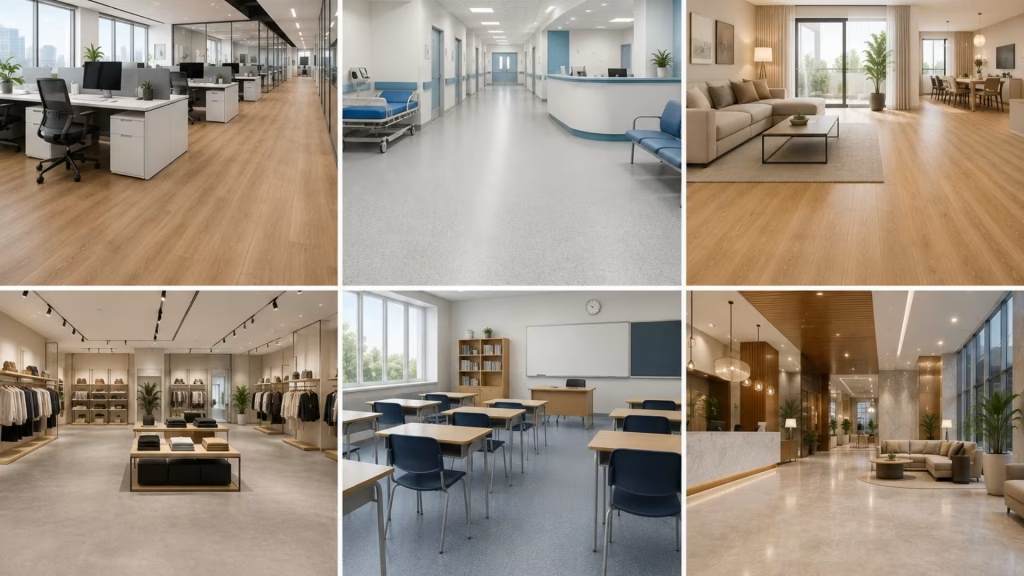
PVC flooring sheets are suitable for a wide variety of industries because they combine durability with easy maintenance.
Hospitals and Healthcare Facilities
Healthcare environments require flooring that supports hygiene and frequent cleaning.
PVC flooring is commonly specified for:
- Patient rooms
- Corridors
- Operating support areas
- Clinics
- Laboratories
Its smooth surface makes routine cleaning easier, while sheet formats reduce the number of joints where dirt can accumulate.
Reference: When specifying flooring for healthcare facilities, consult the relevant infection control and building guidelines issued by local authorities and recognized healthcare organizations.
Schools and Educational Institutions
Schools experience continuous foot traffic throughout the day.
PVC flooring offers:
- Easy maintenance
- Long service life
- Comfortable walking surface
- Attractive designs for classrooms and common areas
It is suitable for:
- Classrooms
- Libraries
- Administrative offices
- Computer labs
- Corridors
Offices and Corporate Buildings
Modern office spaces require flooring that is both practical and visually appealing.
PVC flooring sheets are commonly used in:
- Reception areas
- Meeting rooms
- Open-plan offices
- Training rooms
- Cafeterias
Their wide range of colors and finishes allows designers to create professional interiors while maintaining durability.
Hotels and Hospitality
Hotels require flooring that can withstand continuous use while maintaining an attractive appearance.
PVC flooring is often installed in:
- Guest room corridors
- Conference rooms
- Staff areas
- Business centers
- Service corridors
Its low maintenance requirements help reduce operational costs over time.
Retail Stores and Shopping Centers
Retail environments demand flooring that performs well under heavy customer traffic.
PVC flooring provides:
- Wear resistance
- Easy cleaning
- Design flexibility
- Fast installation for renovation projects
Industrial Facilities
Industrial environments place greater demands on flooring materials.
Depending on the application, PVC flooring sheets may be suitable for:
- Production areas
- Packaging rooms
- Assembly facilities
- Warehouses
- Utility rooms
When selecting flooring for industrial use, always evaluate the expected mechanical loads, exposure to chemicals, and cleaning requirements.
Government and Public Buildings
Many public facilities choose PVC flooring because it offers:
- Long service life
- Easy maintenance
- Consistent appearance
- Cost-effective lifecycle performance
Typical applications include:
- Administrative offices
- Municipal buildings
- Public service centers
- Educational institutions
- Healthcare facilities
Benefits of PVC Flooring Sheets
PVC flooring sheets have become a preferred flooring solution across commercial and industrial sectors because they offer a practical balance of performance, appearance, and cost. While the right product should always be selected based on the intended application, quality PVC flooring provides several advantages that make it suitable for long-term use.
1. High Durability
Commercial spaces experience constant foot traffic. Offices, hospitals, schools, retail stores, and public buildings all require flooring that can withstand daily use.
A quality PVC flooring sheet is designed to resist:
- Daily foot traffic
- Surface wear
- Minor scratches
- Scuff marks
- General abrasion
For dealers and contractors, durability translates into fewer customer complaints and a longer service life.
2. Excellent Water Resistance
One of PVC flooring’s biggest advantages is its resistance to moisture.
Unlike wood-based flooring materials, PVC does not absorb water, making it suitable for areas where spills or regular cleaning are expected.
Common applications include:
- Hospitals
- Clinics
- Laboratories
- Washroom changing areas
- Educational facilities
- Commercial kitchens (where appropriate specifications are selected)
Note: While PVC flooring itself is water-resistant, correct installation and seam treatment are essential to prevent moisture from reaching the subfloor.
3. Easy Maintenance
Maintaining PVC flooring is straightforward.
Routine cleaning usually involves:
- Sweeping or vacuuming
- Damp mopping
- Using manufacturer-recommended cleaning products
- Prompt removal of spills
This simplicity helps reduce maintenance costs throughout the life of the flooring.
4. Comfortable Underfoot
Compared to ceramic tiles or concrete, PVC flooring generally offers a more comfortable walking surface.
This can improve comfort in areas where employees spend long hours standing, such as:
- Reception desks
- Retail counters
- Healthcare facilities
- Laboratories
- Educational institutions
5. Attractive Design Options
Modern manufacturing allows PVC flooring sheets to replicate the appearance of natural materials while offering the practical benefits of resilient flooring.
Available designs may include:
- Wood textures
- Stone finishes
- Marble effects
- Concrete appearance
- Solid commercial colors
- Custom decorative patterns
This makes PVC flooring suitable for both functional and decorative applications.
6. Cost-Effective Lifecycle
The initial purchase price is only one part of the overall investment.
When evaluating flooring, buyers should also consider:
- Installation costs
- Cleaning requirements
- Expected lifespan
- Repair frequency
- Replacement intervals
A high-quality PVC flooring sheet often delivers a lower total cost of ownership over time compared with materials requiring more frequent maintenance or replacement.
7. Fast Installation
Because PVC flooring sheets are supplied in rolls, installers can often cover large areas with fewer joints than tile-based systems.
Benefits include:
- Faster installation
- Reduced downtime
- Fewer visible seams
- Cleaner appearance
This is particularly valuable for commercial renovation projects where minimizing business disruption is important.
8. Wide Range of Applications
PVC flooring is suitable for numerous industries, including:
- Healthcare
- Education
- Hospitality
- Corporate offices
- Retail
- Public infrastructure
- Industrial facilities
Its versatility makes it an attractive option for dealers serving multiple market segments.
Expert Tip
Rather than selecting flooring based solely on price, compare products based on expected service life, maintenance requirements, and manufacturer support. The lowest upfront cost does not always provide the best long-term value.
Technical Specifications
Technical specifications vary depending on the manufacturer and intended application. Always consult the manufacturer’s Technical Data Sheet (TDS) before finalizing a purchase.
Below are the specifications buyers typically compare.
| Specification | Why It Matters |
|---|---|
| Thickness | Determines durability and intended application |
| Roll Width | Affects installation efficiency and waste |
| Roll Length | Impacts project planning |
| Surface Finish | Affects appearance and slip resistance |
| Backing Type | Improves stability and installation |
| Color Options | Supports design requirements |
| Pattern Options | Meets aesthetic preferences |
| Fire Performance | Important for commercial projects |
| Slip Resistance | Critical in healthcare and public spaces |
Thickness Selection Guide
| Application | Typical Requirement* |
|---|---|
| Residential | Lighter-duty flooring |
| Offices | Medium-duty commercial flooring |
| Schools | Commercial-grade flooring |
| Hospitals | Healthcare-grade flooring |
| Retail Stores | Heavy commercial flooring |
| Industrial Areas | Industrial-grade flooring |
Always follow the manufacturer’s recommendations and project specifications.
Surface Finish Options
Common finishes include:
- Smooth
- Matte
- Embossed
- Wood grain
- Stone texture
- Anti-slip textures (where applicable)
Each finish serves different functional and aesthetic purposes.
Color Availability
PVC flooring is available in numerous colors to match different environments, including:
- Neutral shades
- Wood tones
- Marble designs
- Corporate colors
- Healthcare color schemes
Some manufacturers also offer custom designs for large-volume orders.
PVC Flooring Sheet vs Other Flooring Materials
One of the most common questions buyers ask is how PVC flooring compares with other flooring options.
The answer depends on the project’s priorities.
PVC Flooring vs Ceramic Tiles
| Feature | PVC Flooring Sheet | Ceramic Tiles |
|---|---|---|
| Water Resistance | Excellent | Excellent |
| Installation Speed | Faster | Slower |
| Comfort | Softer underfoot | Hard surface |
| Maintenance | Easy | Easy |
| Grout Cleaning | Not required | Required |
| Repair | Easier in some cases | Tile replacement required |
PVC flooring is often preferred where speed of installation and comfort are priorities.
PVC Flooring vs Laminate Flooring
| Feature | PVC Flooring Sheet | Laminate |
|---|---|---|
| Water Resistance | Excellent | Limited depending on product |
| Commercial Use | Widely used | Moderate |
| Maintenance | Easy | Easy |
| Moisture Performance | Better | More sensitive |
| Healthcare Applications | Common | Less common |
PVC Flooring vs SPC Flooring
| Feature | PVC Flooring Sheet | SPC Flooring |
|---|---|---|
| Flexibility | Higher | Lower |
| Installation | Adhesive-based in many applications | Often click-lock |
| Surface Comfort | Softer | Firmer |
| Commercial Use | Excellent | Excellent |
| Subfloor Requirements | May require more preparation | Often more forgiving |
Both materials have strengths. Project requirements should determine the final selection.
PVC Flooring vs Epoxy Flooring
| Feature | PVC Flooring Sheet | Epoxy Flooring |
|---|---|---|
| Installation Time | Faster | Longer curing time |
| Comfort | Better | Hard surface |
| Decorative Options | Extensive | Good |
| Industrial Performance | Good | Excellent for certain heavy-duty environments |
| Repairs | Easier in many cases | More complex |
Callout
There is no single “best” flooring material. The right choice depends on traffic levels, hygiene requirements, maintenance expectations, budget, and project specifications.
Installation Guide
Professional installation plays a major role in the long-term performance of PVC flooring.
The following overview explains the typical installation process.
Step 1: Inspect the Site
Before installation begins:
- Check moisture levels.
- Ensure the building is enclosed.
- Confirm environmental conditions meet manufacturer recommendations.
Step 2: Prepare the Subfloor
The subfloor should be:
- Clean
- Dry
- Smooth
- Level
- Structurally sound
Any imperfections should be corrected before installation.
Step 3: Acclimatize the Flooring
Allow the flooring material to adjust to the installation environment as recommended by the manufacturer.
This helps minimize dimensional changes after installation.
Step 4: Plan the Layout
Installers should:
- Measure the room accurately.
- Minimize waste.
- Position seams strategically.
- Consider traffic patterns.
Step 5: Apply Adhesive
Use only adhesives recommended by the flooring manufacturer.
Applying the wrong adhesive can affect long-term performance.
Step 6: Lay the Flooring Sheet
Carefully position each sheet.
Avoid:
- Air bubbles
- Misalignment
- Wrinkles
- Excessive stretching
Professional flooring rollers are commonly used to ensure proper bonding.
Step 7: Finish the Seams
Where required:
- Trim edges accurately.
- Complete seam treatment according to manufacturer instructions.
- Inspect for consistent alignment.
Step 8: Final Inspection
Before handing over the project:
- Check the entire installation.
- Remove excess adhesive.
- Clean the surface.
- Verify that all joints are properly finished.
Common Mistake
Skipping subfloor preparation is one of the leading causes of flooring failure. Even high-quality PVC flooring cannot compensate for an uneven or damp substrate.
Maintenance Guide
Proper maintenance helps preserve the appearance and performance of PVC flooring throughout its service life.
Daily Maintenance
- Sweep loose dirt.
- Remove dust.
- Wipe spills immediately.
Weekly Maintenance
- Damp mop using approved cleaning products.
- Inspect high-traffic areas.
- Clean entrance zones thoroughly.
Monthly Maintenance
- Check for minor damage.
- Inspect seams.
- Review protective floor pads under furniture.
Long-Term Maintenance
Depending on the flooring type and usage:
- Restore protective finishes if recommended.
- Replace damaged sections when necessary.
- Follow the manufacturer’s maintenance schedule.
Best Practices
✔ Use entrance mats to reduce dirt.
✔ Lift heavy furniture instead of dragging it.
✔ Clean spills promptly.
✔ Use recommended cleaning chemicals.
✔ Follow manufacturer maintenance instructions.
Avoid
- Abrasive cleaning pads
- Strong solvents
- Excessive standing water
- Sharp metal objects dragged across the surface
- Unapproved cleaning chemicals
How to Choose the Right PVC Flooring Sheet
Selecting the right PVC flooring sheet involves more than choosing a color or pattern. The flooring should match the environment, traffic level, maintenance requirements, and project specifications.
Before placing a bulk order, consider the following factors.
1. Define the Application
Start by identifying where the flooring will be installed.
Different environments have different requirements.
| Application | Key Considerations |
|---|---|
| Hospital | Hygiene, durability, easy maintenance |
| School | High foot traffic, scratch resistance |
| Office | Appearance, comfort, durability |
| Retail Store | Wear resistance, attractive design |
| Hotel | Aesthetics, comfort, easy cleaning |
| Industrial Area | Heavy-duty performance, durability |
Matching the flooring to its intended use helps maximize its service life.
2. Evaluate Foot Traffic
Estimate how many people will use the area each day.
- Low Traffic: Small offices, meeting rooms.
- Medium Traffic: Schools, clinics, administrative buildings.
- High Traffic: Shopping malls, hospitals, airports, public facilities.
Higher traffic areas generally require flooring with greater wear resistance.
3. Review Technical Specifications
Always request and review the manufacturer’s Technical Data Sheet (TDS) before making a purchase.
Key specifications to compare include:
- Thickness
- Wear layer
- Roll width
- Surface finish
- Slip resistance (where applicable)
- Fire performance (if required)
- Available designs and colors
4. Consider Long-Term Maintenance
The purchase price is only one part of the investment.
Ask questions such as:
- How often will the floor need maintenance?
- Are replacement sections readily available?
- What cleaning products are recommended?
- What is the expected service life under normal conditions?
5. Choose a Reliable Manufacturer
A dependable manufacturer provides more than just flooring.
Look for a supplier that offers:
- Consistent product quality
- Reliable delivery schedules
- Technical support
- Product documentation
- Manufacturing experience
- Export capabilities (if required)
For large commercial projects, consistency between production batches is particularly important.
Expert Tip
Ask for product samples before placing a large order. Evaluating the material in the intended environment helps confirm that it meets both functional and aesthetic requirements.
Bulk Purchasing Guide for Dealers & Contractors
If you are purchasing PVC flooring sheets for resale or large-scale projects, careful planning can help reduce costs and avoid delays.
Determine Your Quantity Requirements
Before requesting a quotation, calculate:
- Total floor area
- Installation waste allowance
- Future maintenance stock
- Multiple project requirements
Ordering the correct quantity helps ensure color consistency across the project.
Request Technical Documentation
A professional manufacturer should be able to provide:
- Product specifications
- Technical Data Sheets (TDS)
- Installation guidelines
- Maintenance recommendations
- Quality certifications (where applicable)
These documents support project planning and procurement decisions.
Confirm Lead Times
Large commercial projects often follow strict construction schedules.
Before placing an order, confirm:
- Production time
- Stock availability
- Shipping schedule
- Delivery timelines
Discuss Customization Options
Depending on the manufacturer and order volume, customization may include:
- Surface finishes
- Colors
- Patterns
- Roll dimensions
- Packaging requirements
Understand the Minimum Order Quantity (MOQ)
Manufacturers typically specify a minimum order quantity for bulk production.
Clarify:
- MOQ
- Packaging details
- Payment terms
- Delivery terms
- Export documentation (if applicable)
Bulk Buying Checklist
- ✓ Define project requirements
- ✓ Request product samples
- ✓ Review technical specifications
- ✓ Confirm lead time
- ✓ Verify MOQ
- ✓ Discuss customization options
- ✓ Understand warranty and support
- ✓ Plan logistics and storage
Why Choose ATS Synthetic for PVC Flooring Sheets?
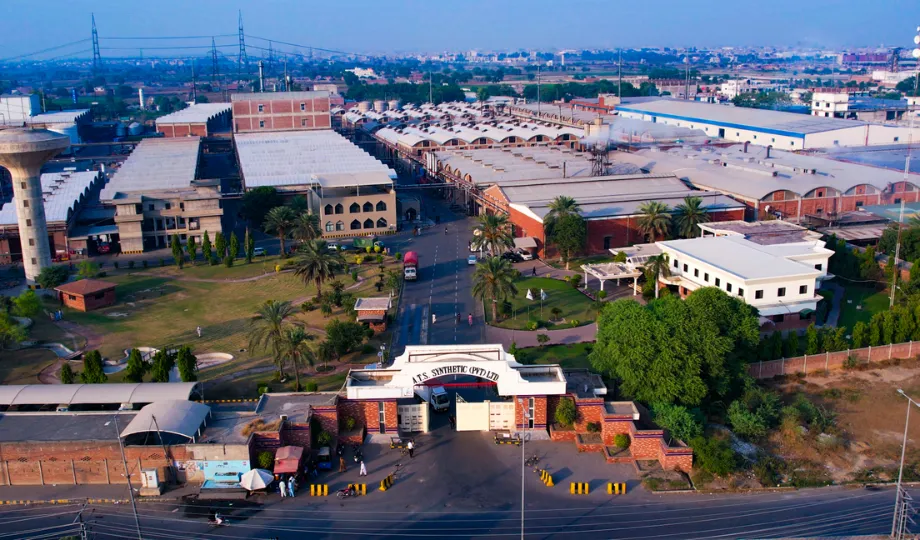
With decades of manufacturing experience, ATS Synthetic (Pvt.) Ltd. has established itself as a trusted supplier of polymer-based products for domestic and international markets.
When selecting a manufacturing partner, buyers value consistency, technical expertise, and dependable supply. ATS Synthetic is committed to meeting these expectations through quality-focused production and customer support.
Why Businesses Choose ATS Synthetic
- Over five decades of manufacturing experience
- Bulk supply for dealers, distributors, and commercial projects
- Modern manufacturing facilities
- Wide selection of designs, textures, and colors
- Consistent quality control throughout production
- Technical assistance for product selection
- Supply capability for Pakistan and export markets
- Customer-focused service from inquiry to delivery
Whether you are sourcing flooring for a single commercial project or building a long-term supply partnership, working with an experienced manufacturer helps reduce risk and improve project outcomes.
Frequently Asked Questions
1. What is PVC flooring sheet?
PVC flooring sheet is a resilient floor covering made from polyvinyl chloride (PVC) that is widely used in commercial, healthcare, educational, hospitality, and industrial environments due to its durability and ease of maintenance.
2. Is PVC flooring waterproof?
PVC flooring itself is water-resistant. Proper installation and seam treatment are essential to achieve the best performance in moisture-prone areas.
3. How long does PVC flooring last?
The lifespan depends on product quality, traffic levels, installation quality, and maintenance. Commercial-grade products are designed for long-term use under appropriate conditions.
4. Is PVC flooring suitable for commercial buildings?
Yes. It is commonly installed in offices, hospitals, schools, hotels, retail stores, and public buildings.
5. Can PVC flooring be installed over concrete?
Yes, provided the concrete subfloor is clean, dry, level, and properly prepared.
6. Is PVC flooring easy to maintain?
Yes. Routine sweeping and damp mopping are generally sufficient for day-to-day maintenance.
7. What designs are available?
PVC flooring sheets are available in a wide range of wood, stone, marble, abstract, and solid-color designs.
8. Can PVC flooring be customized?
Many manufacturers offer customization options for large-volume orders. Availability depends on the product range and order quantity.
9. What industries commonly use PVC flooring?
Healthcare, education, hospitality, retail, corporate offices, government buildings, and industrial facilities are among the most common users.
10. Why should I buy directly from a manufacturer?
Working directly with a manufacturer can provide consistent quality, technical support, customization options, and dependable bulk supply.
Conclusion
PVC flooring sheets continue to be one of the most practical flooring solutions for commercial and industrial projects. Their combination of durability, water resistance, easy maintenance, and design flexibility makes them suitable for a wide range of applications, from hospitals and schools to offices and retail spaces.
For dealers, contractors, and project buyers, selecting the right manufacturer is just as important as choosing the right product. A reliable manufacturing partner can provide consistent quality, technical guidance, and dependable delivery, helping ensure every project is completed successfully.
If you are sourcing PVC flooring sheets in bulk, take the time to evaluate product specifications, request samples, and work with a manufacturer that understands the demands of commercial and industrial projects.
Ready to Source PVC Flooring Sheets?
Whether you’re supplying a commercial development, managing a government project, or expanding your product portfolio, ATS Synthetic can help you find the right PVC flooring solution for your requirements.
Contact our team today to discuss your project, request product information, or receive a quotation for bulk orders.